Iron Deficiency Symptoms: Signs, Causes and the Tests to Ask For
The most common iron deficiency symptoms are tiredness, weakness, pale skin, cold hands and feet, dizziness and shortness of breath. Ice cravings, a sore tongue, brittle…
HealFern is a plain-English guide to dietary supplements for US adults. Every guide reads the full label, compares each dose with the research and the NIH upper limit, checks FDA warning letters and refund terms, and says clearly when the evidence is thin. It is general information, never a replacement for your doctor.
24health topics, one evidence standard for every guide
Supplement Facts
Serving size 2 capsules
Result: 2 doses above the NIH upper limit, 1 blend that hides its amounts.
Start with what you already know. If you have a product in mind, go to its review. If you want options, use a ranked list. Curious about one ingredient? Read its page. If you would rather fix your diet first, open a wellness goal hub or the topic list.
Most people arrive with a specific need. Pick the line below that matches yours.
If you are unsure, start with an ingredient page. It is the fastest way to find out whether something is worth buying at all.
The most common iron deficiency symptoms are tiredness, weakness, pale skin, cold hands and feet, dizziness and shortness of breath. Ice cravings, a sore tongue, brittle…
Brittle nails are usually caused by outside damage: repeated wetting and drying, detergents, nail polish remover and gel or acrylic nails. About 20% of people have…
To lower triglycerides, start with weight loss, less added sugar and refined food, less alcohol and regular exercise. Losing 5% to 10% of body weight cut…
Cataract symptoms usually start with cloudy or blurry vision, faded colors, glare and halos around lights, and poor night vision. Early cataracts often cause no symptoms.…
A normal A1C is below 5.7%. Prediabetes runs from 5.7% to 6.4%, and 6.5% or higher is in the diabetes range. The bands are the same…
The most common erectile dysfunction causes are physical: diabetes, clogged arteries, high blood pressure, obesity, low testosterone and nerve damage from surgery. Medicines such as antidepressants…
Turmeric's best-studied benefit is modest relief of knee arthritis pain. In 15 trials with 1,670 people, curcumin lowered pain by about 1.77 points on a 10-point…
Psoriasis is an immune-mediated disease that speeds up skin cell growth and builds thick, silvery plaques, often on the scalp, elbows, knees and lower back. Eczema,…
The tolerable upper intake level (UL) is the most of a nutrient most healthy adults can take each day without a likely risk of harm. Labels often go past it. These are the NIH figures for adults 19 and older.
| Nutrient | Upper limit | What it counts | Source |
|---|---|---|---|
| Vitamin D | 4,000 IU (100 mcg) | Food and supplements combined | NIH fact sheet |
| Vitamin C | 2,000 mg | Food and supplements combined | NIH fact sheet |
| Magnesium | 350 mg | Supplements and medicines only, not food | NIH fact sheet |
| Zinc | 40 mg | Food and supplements combined | NIH fact sheet |
| Iron | 45 mg | Food and supplements combined | NIH fact sheet |
| Vitamin B6 | 100 mg | Food and supplements combined | NIH fact sheet |
| Niacin (B3) | 35 mg | Supplements and fortified foods only | NIH fact sheet |
| Selenium | 400 mcg | Food and supplements combined | NIH fact sheet |
Pregnancy, kidney disease and some medicines change these limits. Ask your doctor or pharmacist for your own number.
Labels mix units, and the limits point in different directions. The RDA is an amount to reach, while the UL is a ceiling to stay under. Vitamin D can be listed in micrograms or IU, and some limits, such as magnesium's, count only what you get from supplements.
The RDA is the daily intake that meets the needs of nearly all healthy people. When there is not enough evidence to set an RDA, an AI (adequate intake) is used instead. The UL is the upper limit, and going above the RDA does not bring you any closer to a better result.
Units cause the second mix-up. One microgram (mcg) of vitamin D equals 40 IU, so you divide IU by 40 to get mcg.
A softgel labeled 5,000 IU of vitamin D holds 125 mcg. That is above the adult UL of 4,000 IU, even though 5,000 IU looks ordinary on a shelf of high-dose bottles. If one label uses IU and another uses mcg, convert before you compare.
The third trap is what a limit counts. Some ULs count only supplements. The magnesium limit in the table above, 350 mg, applies to magnesium from supplements and leaves out the magnesium in food. Two products that both contain magnesium do count together, so add them up.
Read the panel from the top down. Check the serving size first, then the amount of each ingredient and its % Daily Value. Look hard at any proprietary blend, scan the other ingredients, read the claims and the required FDA statement, then compare each amount with the upper limits above.
The Supplement Facts panel follows a set federal format (21 CFR 101.36). Once you know the order, every bottle reads the same way.
| Label part | What it tells you | What to check |
|---|---|---|
| Serving size | How much counts as one serving | Whether a serving is one capsule or several |
| Amount per serving | The dose of each ingredient | How it compares with the UL table |
| % Daily Value | One serving compared with a reference amount | The same nutrient stacking up across your products |
| Proprietary blend | The blend's total weight and its ingredients in order by weight | Whether the ingredient you are paying for has its own amount |
| Claims and statement | What the company says the product does | The FDA statement is present and no disease claims appear |
That depends on what kind of study backs the claim. HealFern ranks evidence from strongest to weakest: systematic reviews and meta-analyses of human trials, randomized controlled trials, observational studies, animal and lab studies, and last, testimonials, which are not evidence of effect at all.
Supplement marketing often cites "research" without saying what kind. The type of study tells you more than the number of studies. A single well-run trial in people can outweigh a stack of test-tube results.
HealFern uses this ladder, from the top down:
Animal and lab results are the rung sales pages lean on hardest, and the one we trust least for buying decisions. A compound that acts on cells in a dish, or in mice, has not been shown to do the same thing in a person. The dose used may be far higher than any capsule holds, and the human body may absorb or break down the compound in a different way. Until a trial in people shows a benefit, treat the claim as unproven.
| Evidence type | What it can show | How HealFern uses it |
|---|---|---|
| Systematic reviews and meta-analyses | The overall direction across many human trials | Weighs most in our verdicts |
| Randomized controlled trials | Whether the supplement caused a change in the people studied | Strong support, especially when more than one trial agrees |
| Observational studies | Patterns between supplement use and health outcomes | A lead that needs trials to confirm it |
| Animal and lab studies | Possible ways an ingredient could act | Background only, never enough for a benefit claim |
| Testimonials and anecdotes | What one person says they felt | Not counted as evidence of effect |
Several common supplements can change how medicines work. Vitamin K can weaken warfarin, St. John's wort can speed the breakdown of many drugs, ginkgo may raise bleeding risk with blood thinners, and calcium or iron can interfere with levothyroxine. If you take any prescription, check every supplement with your pharmacist.
A supplement can make a medicine less effective, add to its side effects or get in the way of absorption. Each row below links to the federal page it comes from.
If we had to pick the one to watch hardest, it would be St. John's wort, because it affects so many different kinds of drugs.
| Supplement | Can interact with | What can happen | Source |
|---|---|---|---|
| Vitamin K | Warfarin | Can reduce warfarin's ability to prevent clotting. Keep vitamin K intake about the same each day, since a sudden drop can cause dangerous bleeding and a sudden rise can cause clots. | NIH ODS: Vitamin K |
| St. John's wort | Some antidepressants, birth control pills, heart medications, anti-HIV medications and transplant drugs such as cyclosporine | Speeds the breakdown of these medicines and reduces their effectiveness. NCCIH says these interactions can be dangerous, sometimes life-threatening. | NCCIH: St. John's wort |
| Ginkgo | Anticoagulant drugs such as warfarin | May increase the risk of bleeding. | NCCIH: Ginkgo |
| Goldenseal | Many medications, including metformin | May change how the body processes them. In an NCCIH-funded study, metformin levels fell about 25 percent in healthy adults given goldenseal extract with metformin. | NCCIH: Goldenseal |
| Calcium carbonate | Levothyroxine | Can interfere with absorption. The medicine's FDA-approved label says not to take levothyroxine within 4 hours of calcium carbonate. | NIH ODS: Calcium |
| Iron | Levothyroxine | Taken at the same time, iron can reduce how well levothyroxine works. Product labels advise against taking levothyroxine within 4 hours of iron supplements. | NIH ODS: Iron |
| Antioxidants such as vitamins C and E | Some types of cancer chemotherapy | Might reduce the effectiveness of the chemotherapy. | NIH ODS: What You Need to Know |
Drug interactions are one risk among several. Some supplements can increase bleeding risk or, if taken before surgery, change how you respond to anesthesia. Side effects are most likely at high doses, when a supplement is taken instead of a prescribed medicine, or when someone takes many supplements.
Before you start anything new, show your doctor or pharmacist the full list of what you take, including vitamins, herbs and gummies, with the dose of each.
Watch for disease cure claims, countdown timers, unnamed experts, hidden blend amounts, before-and-after photos with no context, auto-ship terms buried at checkout, and any claim that a supplement is "FDA approved." One flag is a reason to slow down. Several on the same page is a reason to leave.
A sales page is written to get you to buy before you read the label. You can spot every one of these signs without a lab or a medical degree.
If you only check one thing, check for that "FDA approved" line. It is the easiest flag to confirm, and a seller who gets the basic legal status of its own product wrong is hard to trust on dose, quality or results.
A seal from U.S. Pharmacopeia (USP), ConsumerLab.com or NSF International means the product was properly manufactured, contains the ingredients on its label and has no harmful levels of contaminants. A seal does not guarantee that the product is safe for you or that it works.
FDA does not review supplements for safety or effectiveness before they reach the shelf, so independent groups cover part of that gap. These organizations offer quality testing:
A seal from one of them tells you the product was properly manufactured, contains the ingredients listed on the label and does not have harmful levels of contaminants. That answers a real worry for buyers, which is whether the bottle holds what it says.
A seal leaves the bigger questions open. It does not guarantee the product is safe for you, and it does not show the product is effective. A well-made bottle of an ingredient with weak evidence is still a weak buy, and a tested product can still interact with your medicines.
In a HealFern review, a seal counts as a plus for quality. It is never treated as proof that the product works, and it does not raise the evidence rating for the ingredients inside. A product without a seal gets a closer look at its label, its blend and its claims before we say anything good about it.
If a product shows a seal you do not recognize, it may not come from any of the groups above. Treat an unfamiliar logo as packaging until you know who stands behind it and what it tested.
EchoXen is worth a cautious try only if your ears have been checked, you take no interacting medicines and you will use the 60-day refund. Its…
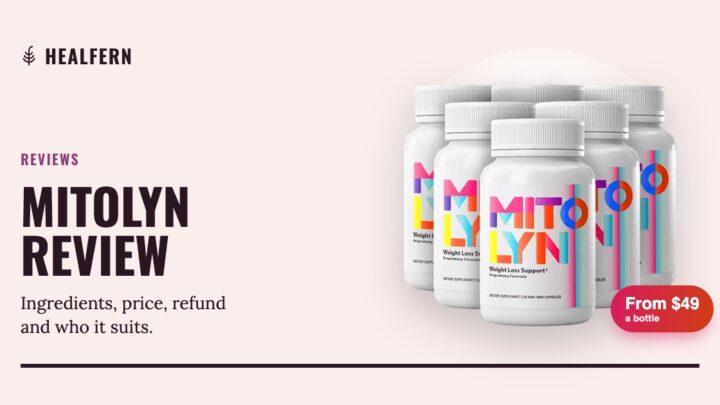
Mitolyn may be worth trying if you want a simple one-capsule botanical routine and will use the 90-day refund if nothing changes. It has six plant…
Sugar Defender is a liquid blood sugar supplement whose label lists 0.7 mcg of chromium and a 200 mg proprietary blend of 22 ingredients with no…
The best supplements for menopause earn only a Limited evidence grade. Soy isoflavones cut hot flash frequency about 20.6% more than placebo in one meta-analysis, while…
Curcumin and Boswellia have the most consistent evidence for knee arthritis pain, though the benefit is small and many trials are low quality. Glucosamine and chondroitin…
Supplements come after the plate. These hubs cover the meals, foods and daily habits behind each goal.
Every ingredient, every dose, and every proprietary blend that hides its amounts.
The amount on the label next to the amount used in the studies, and next to the NIH upper limit.
Human trials first. Rodent studies and test tubes get named as what they are.
Warning letters, recalls and the tainted-products list, searched by brand and ingredient.
Who pays return shipping, how long the window really is, and what the complaint records say.
The bottle price divided by the daily serving, so a cheap bottle cannot hide a short supply.
Labels use a small set of terms for intake targets and limits (RDA, AI, UL), for units (IU, mcg, % Daily Value) and for what the company says about the product and its testing. The definitions below cover the terms you will see on most bottles.
No. The FDA does not approve supplements for safety or effectiveness before they go on sale. Brands are responsible for their own products, and the FDA can act after problems appear, through warning letters, recalls or import alerts.
It is the highest daily amount of a nutrient that is unlikely to cause harm for most healthy people, set by the National Academies and published by NIH. Going above it regularly raises the risk of side effects.
Each review scores from 0 to 10. Points come from doses that match the research, clear labels, fair refund terms and a clean FDA record. Points go for hidden blends, cure claims, fake scarcity and missing research.
No. Some reviews contain affiliate links, and a purchase through them can pay HealFern a commission at no extra cost to you. A brand cannot buy a score, a place in a list or a positive review.
No. Supplements are not meant to diagnose, treat, cure or prevent disease, and some interact with prescription drugs. Keep taking what your doctor prescribed and ask your doctor or pharmacist before you add anything.
Watch for countdown timers that reset, claims that a product cures a disease, doctors with no full name, hidden ingredient amounts and refund rules that change after checkout. Our reviews flag each of these when we find them.
No. A natural ingredient can still cause harm. St. John's wort, a plant, can make many medicines less effective, and NCCIH says some of these interactions can be life-threatening. Side effects are also more likely at high doses or when you take many supplements.
Yes. Some supplements change how medicines work, including warfarin, levothyroxine, metformin and some types of chemotherapy. Show your doctor or pharmacist the full list with doses so they can catch a problem early. Never use a supplement in place of a prescribed medicine.
Ask your surgeon first. Some supplements can increase bleeding risk or, if taken before surgery, change how your body responds to anesthesia. Ginkgo, for example, may raise bleeding risk in people on blood thinners. Give your care team your full supplement list ahead of time.
Compare the labels. Check the amount per serving for each nutrient, how many gummies make one serving, and the added sugar listed on the panel. A gummy with a lower dose or extra sugar is a different product, even if the name on the front matches.
An independent group such as USP, ConsumerLab.com or NSF International checked that the product was properly manufactured, contains the ingredients on its label and has no harmful levels of contaminants. It does not prove that the product is safe for you or that it works.
Guides are re-checked whenever their sources change, such as when NIH or FDA updates a fact sheet or rule. Every guide shows a last-updated date, so you can see how recent the information is before you rely on it for a decision.
Who publishes HealFern: an independent site edited by Olivia Grant. HealFern is not affiliated with any supplement brand, the FDA or NIH. Some reviews earn an affiliate commission, which never buys a score.